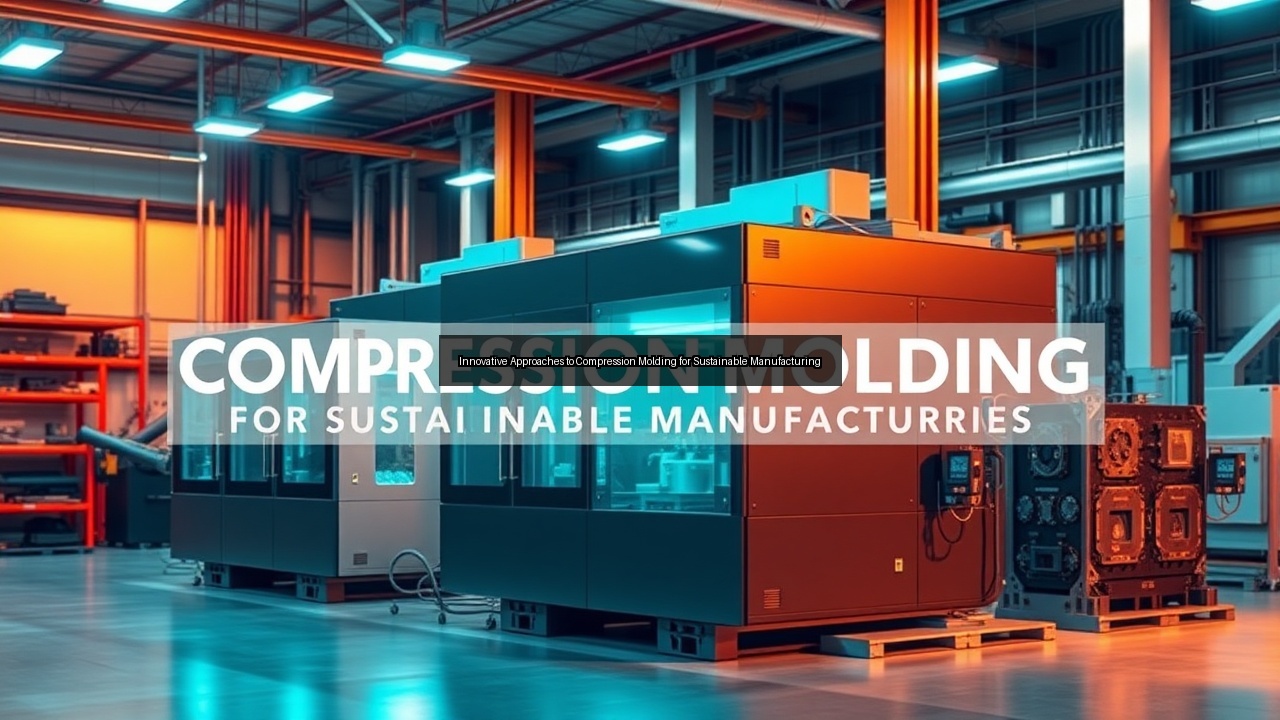
Innovative Approaches to Compression Molding for Sustainable Manufacturing
Understanding Compression Molding Processes
Overview of Compression Molding
Compression molding stands as a cornerstone of modern manufacturing, particularly in producing plastic and rubber parts. This method involves placing a pre-measured amount of material into a heated mold cavity. Once the material is in position, the mold closes, applying pressure to shape the material into the desired form. The heat activates the material, causing it to flow and fill the cavity, subsequently hardening as it cools. This process allows for creating complex shapes with high precision and efficiency, making it ideal for both small and large-scale production runs.
Key Differences Between Compression Molding and Injection Molding
Compression molding differs significantly from injection molding, primarily in how the material is introduced into the mold. While compression molding relies on placing material into a mold cavity, injection molding forces molten plastic into a mold using a screw or plunger. This fundamental difference leads to variations in production speed, material usage, and part quality. Compression molding excels in producing larger parts and components with thicker walls, while injection molding is best suited for intricate designs with tighter tolerances. Understanding these differences helps manufacturers choose the right approach for their specific needs.
Detailed Steps in the Compression Molding Process
The compression molding process involves several key steps that ensure the final product meets quality standards. Initially, manufacturers prepare the mold by heating it to the required temperature. Next, they measure and place the raw material, often in a preform or pellet form, into the heated mold. After closing the mold, they apply significant pressure, which forces the material to conform to the mold's shape. Once the material has cured—typically taking a few minutes—the mold opens, and the finished compression molded part is ejected. Each step requires careful control of temperature and pressure to achieve optimal results.
Innovative Techniques in Compression Molding
Advancements in Molds and Mold Design
Recent advancements in mold design have transformed compression molding services, enhancing efficiency and product quality. Modern molds now incorporate features such as advanced cooling systems and adjustable heating elements, allowing for precise temperature control throughout the molding process. The introduction of 3D printing technology to create mold prototypes has streamlined the design phase, enabling rapid iteration and customization. These innovations not only reduce lead times but also improve the overall reliability of the molds, leading to higher quality compression molded parts that meet stringent specifications.
Sustainable Materials in Compression Molding
Sustainability has become a driving force in manufacturing, and compression molding is no exception. Manufacturers increasingly utilize bio-based and recycled materials in their processes. These sustainable materials offer comparable performance to traditional plastics while minimizing environmental impact. Innovations such as biodegradable resins and recycled composites are now common in compression molding services, aligning production practices with eco-friendly initiatives. By integrating these materials, companies can reduce their carbon footprint and appeal to environmentally conscious consumers.
Integration of Technology in Compression Molding Services
The integration of technology in compression molding services has reshaped the landscape of manufacturing. Automation, machine learning, and IoT (Internet of Things) technologies optimize production efficiency and reduce labor costs. Smart compression molding machines equipped with sensors monitor temperature and pressure in real-time, ensuring consistent quality and reducing waste. Furthermore, data analytics tools provide insights into the manufacturing process, allowing companies to make informed decisions that enhance productivity and reliability. This technological evolution continues to drive improvements in the compression molding process.
Applications and Benefits of Compression Molding
Popular Compression Molding Applications Across Industries
Compression molding finds applications across various industries, demonstrating its versatility and effectiveness. The automotive sector frequently employs this technique to produce durable components such as dashboard panels, gaskets, and seals. The electrical industry utilizes compression molded parts for insulators and connectors, ensuring safety and reliability in electrical systems. Additionally, consumer goods manufacturers benefit from compression molding when creating items like kitchenware and sports equipment. This broad applicability underscores the importance of compression molded products in meeting diverse industry needs.
Advantages of Compression Molding in Sustainable Manufacturing
Compression molding offers numerous advantages for sustainable manufacturing. Its ability to use lower energy during production compared to other methods, such as injection molding, significantly reduces energy consumption. Furthermore, the process generates less waste, as manufacturers can optimize material usage and recycle scrap effectively. The durability of compression molded products also contributes to sustainability; longer-lasting items reduce the frequency of replacement, ultimately minimizing resource use over time. These benefits position compression molding as a compelling choice for companies aiming to enhance their eco-friendly practices.
Case Studies of Successful Compression Molding Production
Numerous case studies highlight the successful implementation of compression molding in various industries. One notable example involves an automotive manufacturer that switched from injection molding to compression molding for producing rubber gaskets. This transition not only reduced production costs by 20% but also improved part durability, leading to fewer warranty claims. Another example features a consumer goods company that adopted sustainable materials in its compression molding process, resulting in a 30% reduction in overall material costs while appealing to eco-conscious consumers. These case studies illustrate the tangible benefits of compression molding in real-world applications.
Choosing the Right Compression Molding Company
Criteria for Selecting Compression Molding Suppliers
Choosing the right compression molding company is crucial for successful compression molding applications product development. Start by evaluating the supplier's experience and expertise in handling materials relevant to your project. A reputable company should have a proven track record in producing high-quality compression molded parts. Additionally, consider their commitment to sustainability and innovation. Suppliers that prioritize eco-friendly practices and invest in advanced technologies often deliver superior results. Lastly, assess their customer service and support capabilities, ensuring they can provide assistance throughout the production process.
Evaluating Compression Molding Machines and Equipment
The machinery used in compression molding significantly impacts production efficiency and product quality. Evaluate the age and condition of the compression molding machines employed by potential suppliers. Modern machines with advanced features, such as programmable logic controllers (PLCs) and automated material handling systems, can enhance precision and reduce cycle times. Additionally, inquire about maintenance practices; well-maintained equipment tends to result in greater reliability and fewer production disruptions. Careful evaluation of the machinery ensures that the chosen supplier can meet your specifications and production demands.
Understanding Specifications and Reliability in Compression Molding Services
Understanding the specifications required for your compression molded parts is vital to selecting the right supplier. Clearly define your project's requirements, including material type, dimensions, tolerances, and production volume. A reliable compression molding company will be transparent about their capabilities and able to meet these specifications consistently. Look for manufacturers that provide quality assurance processes, such as regular inspections and testing, to guarantee product reliability. Establishing clear communication regarding specifications fosters a collaborative relationship, ensuring that the final products align with your expectations.