Innovative Uses of HDPE in Green Bay Plastics Transforming Everyday Products
The Role of HDPE in Sustainable Manufacturing
What is HDPE and Why is it Important?
High-Density Polyethylene (HDPE) stands out as a crucial player in the world of sustainable manufacturing. This thermoplastic polymer, known for its strength and durability, finds extensive use in various applications, ranging from packaging to construction materials. Produced from petroleum, HDPE is recognized for its ability to resist impact, moisture, and chemicals, making it an ideal choice for manufacturers focused on creating long-lasting products.
HDPE's importance lies in its versatility and recyclability. Unlike many plastics, HDPE can be recycled multiple times without significant degradation of its properties. This makes it a sustainable option for companies looking to minimize their environmental impact. In Green Bay, the local manufacturing sector embraces HDPE for its eco-friendly attributes, aligning with broader sustainability goals. By choosing HDPE, manufacturers not only contribute to reducing plastic waste but also support the circular economy, where materials are reused and recycled rather than discarded.
The Process of Blow Molding in Green Bay Plastics
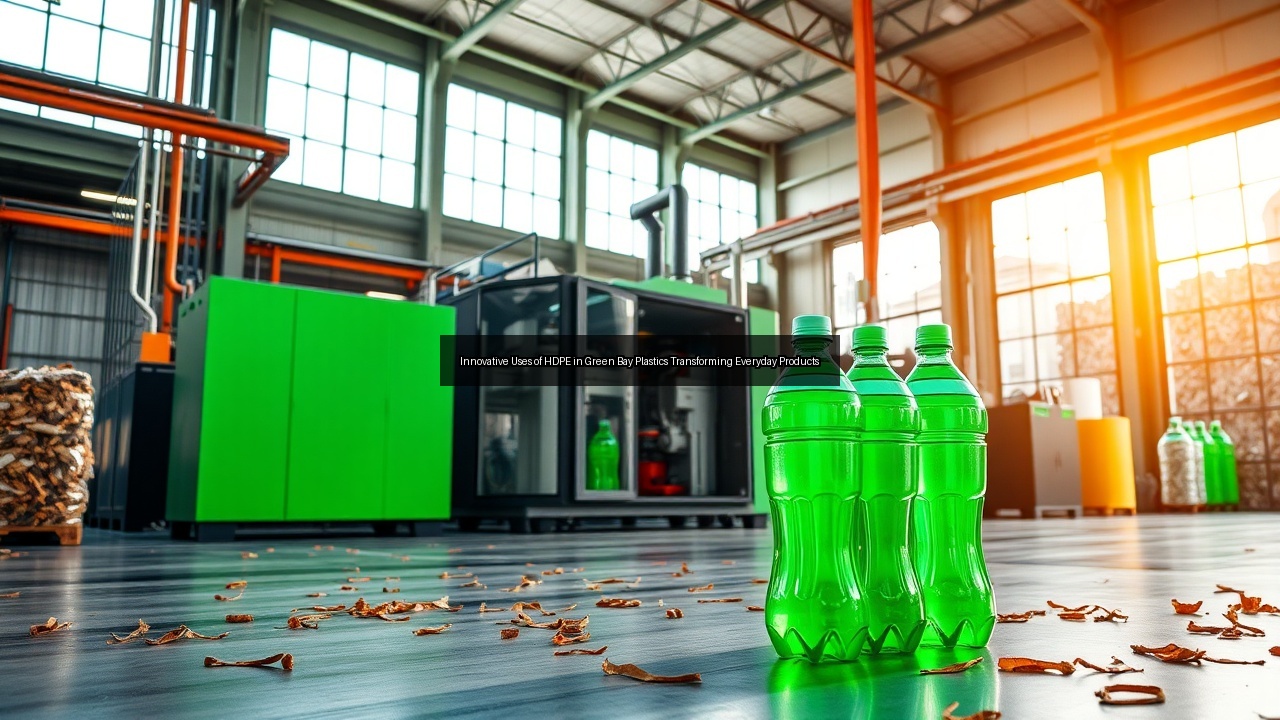
Blow molding serves as a pivotal manufacturing process for creating HDPE products. In Green Bay, this technique allows companies to produce hollow plastic items efficiently and economically. The process begins with the extrusion of molten HDPE, which is then formed into a parison—a tube-like structure. Once the parison is ready, it is placed in a mold and inflated with air, taking on the shape of the mold to create products like bottles and containers.
Green Bay plastics manufacturers leverage blow molding to deliver high-quality HDPE items that meet various consumer needs. This method not only enhances production efficiency but also reduces material waste, as manufacturers can often recycle excess plastic during the process. The ability to customize designs and sizes further positions blow molding as a preferred choice for companies aiming to innovate their packaging solutions. As a result, local manufacturers contribute significantly to a sustainable future while maintaining high standards of quality in their products.
Sustainable Manufacturing Practices in the USA
The landscape of sustainable manufacturing in the USA is evolving rapidly, with HDPE at the forefront of this transformation. Companies across the nation are adopting practices that prioritize environmental stewardship and resource efficiency. In Green Bay, the commitment to sustainability is evident in how local businesses integrate HDPE into their manufacturing processes.
One notable practice involves the use of recycled HDPE in new products, which not only reduces the demand for virgin plastic but also lessens the carbon footprint associated with production. Furthermore, manufacturers are increasingly investing in energy-efficient technologies that minimize energy consumption during the manufacturing process. By sourcing materials locally and utilizing renewable energy sources, Green Bay plastics companies are setting a benchmark for sustainable practices in the industry.
Collaboration among corporations, governmental bodies, and environmental organizations also plays a significant role in promoting sustainability. These partnerships lead to the development of initiatives aimed at reducing plastic waste and increasing recycling rates, which directly benefit the local economy and environment. The collective effort of manufacturers in Green Bay demonstrates a robust commitment to sustainability, paving the way for future innovations in the plastics sector.
Innovative Applications of HDPE
Eco-Friendly Packaging Solutions
Packaging remains one of the most significant applications of HDPE, particularly in the realm of eco-friendly solutions. Companies in Green Bay and beyond are rethinking traditional packaging methods, opting for HDPE due to its durability and recyclability. This shift has led to the creation of lightweight, strong packaging that protects products while minimizing environmental impact.
Manufacturers are increasingly designing packaging that incorporates recycled HDPE, further enhancing sustainability. This practice not only reduces waste but also appeals to environmentally conscious consumers. Brands that prioritize eco-friendly packaging solutions often find themselves gaining a competitive edge in the market. Consumers today are more informed and concerned about the environmental implications of their purchases, making sustainable packaging a key consideration.
Additionally, innovations in HDPE packaging include the development of biodegradable additives that enhance its decomposition process. While HDPE is not inherently biodegradable, these advancements allow for packaging that breaks down more effectively in landfills. As a result, companies in Green Bay are not only meeting consumer demand for sustainable products but also contributing to broader efforts in reducing plastic pollution.
Revolutionizing Motor Oil Bottles
HDPE is revolutionizing the motor oil industry by providing a robust solution for oil bottles. Traditionally, motor oil containers relied heavily on less sustainable materials, posing environmental challenges. Today, manufacturers in Green Bay are leading the way by utilizing HDPE for these bottles, significantly enhancing the sustainability of motor oil packaging.
The use of HDPE for motor oil bottles offers several advantages. Its chemical resistance ensures that the oil remains uncontaminated, while its strength prevents leakage and spills. Moreover, the recyclability of HDPE allows consumers to return used bottles to recycling facilities, reducing the overall carbon footprint associated with motor oil consumption.
Some companies are even taking it a step further by incorporating recycled HDPE into their bottles, promoting a closed-loop system that minimizes waste. This innovative approach not only meets regulatory standards but also aligns with consumer expectations for sustainable products. The integration of HDPE into motor oil packaging exemplifies how Green Bay plastics manufacturers are driving change in the industry, emphasizing the importance of sustainability in everyday products.
HDPE in Water Filtration Systems
Water filtration systems play a crucial role in ensuring access to clean drinking water, and HDPE has emerged as a vital material in this field. Green Bay manufacturers are increasingly incorporating HDPE into the design and production of water filtration components, enhancing both functionality and sustainability.
HDPE's resistance to corrosion and chemicals makes it an ideal choice for various water filtration applications, including tanks, pipes, and housings. Its durability ensures that these systems can withstand harsh environmental conditions, providing reliable service over extended periods. Moreover, greenbayplastics the lightweight nature of HDPE reduces transportation costs and energy consumption during installation, aligning with sustainability goals.
Incorporating recycled HDPE into water filtration systems further underscores the commitment to environmental responsibility. This practice not only reduces plastic waste but also provides a cost-effective solution for manufacturers. As more companies in Green Bay adopt HDPE for water filtration, they contribute to the overarching goal of improving water quality while minimizing environmental impact, showcasing the versatility and sustainability of this remarkable material.
The Impact of HDPE on Carbon Footprint Reduction
How HDPE Contributes to Energy Efficiency
HDPE's role in energy greenbayplastics efficiency extends beyond its recyclability; it also plays a significant part in reducing energy consumption during the manufacturing process. Companies in Green Bay that utilize HDPE benefit from lower energy requirements compared to other materials. The production of HDPE involves less energy-intensive processes, making it a more sustainable choice.
By implementing energy-efficient technologies in the production of HDPE products, manufacturers can further enhance their sustainability efforts. Innovations such as advanced blow molding techniques reduce energy usage while maintaining product quality. This commitment to energy efficiency not only lowers production costs but also diminishes the overall carbon footprint associated with manufacturing.
Moreover, the lightweight nature of HDPE products reduces transportation emissions. Companies that prioritize HDPE can optimize their supply chains, resulting in lower fuel consumption during distribution. As a result, Green Bay plastics manufacturers not only contribute to energy efficiency but also align with global sustainability goals aimed at reducing greenhouse gas emissions.
Plastic Recycling Initiatives by Green Bay Corporations
Green Bay corporations lead the charge in promoting plastic recycling initiatives, particularly focusing on HDPE. These companies recognize the importance of reducing plastic waste and actively engage in programs designed to encourage recycling at all levels. Local manufacturers often collaborate with municipalities and organizations to create awareness about the benefits of recycling HDPE products.
In addition to raising awareness, many Green Bay businesses implement take-back programs that encourage consumers to return used HDPE products for recycling. By establishing convenient drop-off locations and providing incentives, these initiatives foster a culture of sustainability within the community. The commitment to recycling not only conserves resources but also minimizes landfill waste, contributing to a cleaner environment.
Furthermore, partnerships with recycling facilities enable manufacturers to source recycled HDPE for new products, creating a closed-loop system that significantly reduces the need for virgin materials. This innovative approach not only supports local economies but also demonstrates a dedication to sustainability that resonates with consumers. Through these recycling initiatives, Green Bay corporations embody the principles of responsible manufacturing and environmental stewardship.
Brands Leading the Way in Sustainable HDPE Products
A diverse array of brands has emerged as pioneers in sustainable HDPE products, showcasing innovative approaches to manufacturing and design. These companies are not only committed to using HDPE but also prioritize incorporating recycled materials into their products. This movement reflects a growing trend among consumers who seek transparency and accountability from the brands they support.
Green Bay plastics manufacturers play a vital role in this transformation, producing high-quality HDPE items that uphold sustainability standards. Brands that lead the way in this space often emphasize their commitment to minimizing environmental impact through responsible sourcing, energy-efficient production methods, and active participation in recycling programs.
As consumers become more conscious of their purchasing decisions, these brands find themselves at the forefront of a market shift towards sustainability. By prioritizing HDPE and promoting a circular economy, they not only enhance their brand image but also contribute significantly to reducing plastic waste. The leadership demonstrated by these companies serves as an inspiration for others in the industry, driving a collective effort towards a more sustainable future for plastics.